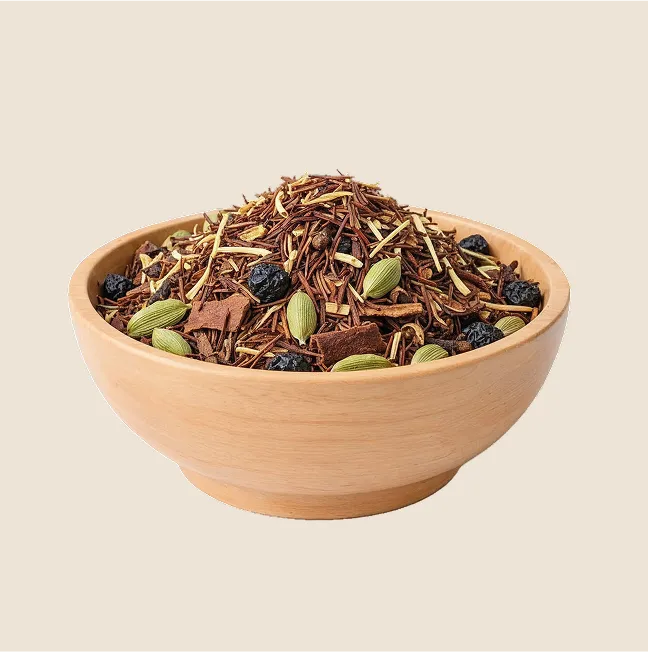
The history of herbal medicine is vast. It stretches far back to the beginning of time. If you believe in God, then it started with Adam and Eve and the Garden of Eden. That is when God said, “Let the earth bring forth grass, the herb yielding seed, and the fruit tree yielding after its kind, whose seed is in itself, upon the earth.”
Although many texts of herbal medicine have either been lost to time or have not been discovered yet, the first record of herbal texts dates as far back as 3000 B.C., which was written on clay tablets by the Sumerians. However, a more detailed pharmacopoeia, which is often cited, was discovered around 2100 B.C.
In China, the herbal records attributed to Shen Nong, also known as the “Divine Farmer”, were written on bamboo strips or silk around 2800 B.C. It was believed that he was the one who taught the ancient Chinese their ways of agriculture and use of herbs for medicine, which is now the foundation of TCM (Traditional Chinese Medicine.)
Around 400 B.C., Hippocrates wrote about the importance of healthy living for disease prevention, including eating well, exercising, and striving for happiness, as reflected in texts like the Regimen found in the Hippocratic Corpus. He preached that diseases stemmed from natural causes, not curses from the gods, superstitious origins, or supernatural intervention. However, because of his beliefs in health, he did serve a 20-year prison sentence, where he spent most of his days writing “The Complicated Body”, another text that impacted the way people thought about their health.
As you travel through time, you see that the Roman Empire spread their herbal texts while occupying different regions, especially during their occupation of the British Empire around 50–70 A.D., which served as the cornerstone of Western herbal medicine. There were texts such as De Materia Medica by Dioscorides, a five-volume encyclopaedia that detailed over 1000 different substances and herbs and their medicinal uses.
Shortly thereafter, Galen of Pergamum emerged as a highly influential Greek physician, philosopher, and anatomist. He wrote extensively about different herbs and natural remedies, writing and publishing texts like the Works of Therapeutics, which focused on applying his theories of the four humours.
As you follow through the timelines of history, you discover monks who designed physic gardens for herbs that they would use to treat the diseases of the common folk around 800 A.D. Or you have physicians in the Arab world, such as Avicenna, who wrote the Canon of Medicine, which acted as an incredible influence on herbal healing during the Middle Ages.
Although a controversial figure, King Henry VIII was a firm supporter of herbal medicine during 1500 A.D., ensuring the protection of herbal practitioners’ rights to prevent their potential prosecution. This was an important step in preserving herbal knowledge during that time, as only the poor or middle class could afford to be treated by herbal medicine, while the elite were being treated with outdated practices such as leeching, mercury, and arsenic.
The period between the 15th and 17th centuries was significant for herbal medicine because herbal books became available in common languages like English, which allowed more people access to this knowledge that had previously been restricted by texts written in Latin, Greek, or Arabic. Grete Herball printed the first herbal book in English in 1526, followed by Banckes’s Herbal.
Furthermore, Nicholas Culpeper, an English herbalist, botanist, and physician, played a significant role in the evolution of herbal medicine during the 1600s. He published an extensive book on herbal and pharmacological knowledge known as The Complete Herbal, which is today known as Culpeper’s Complete Herbal.
During the mid-to-late 19th century in the United States, there were the Eclectics, who popularised the practice of specific herbal traditions from Samuel Thomson as well as Native American practices. They were adamant about using local herbs to help the body heal naturally.
Following not long after were the Physiomedicalists, who combined European herbal knowledge with American herbal knowledge, and this led to a thriving and impactful herbal tradition. Unfortunately, this movement’s popularity was short-lived because, in 1904, the Council of Medical Education of the American Medical Association (AMA) brought out policies that reduced funding for the training of herbal practitioners and standardised education in medicine. Between 1910 and 1935, they introduced standards that few medical teaching facilities could meet, forcing many to close or merge with universities. As a result, many institutions were compelled to eliminate courses that taught practices such as homoeopathy, eclectic medicine, and naturopathy. This incident greatly affected the smaller communities of people of colour as well as women who relied on herbal medicine for their health.
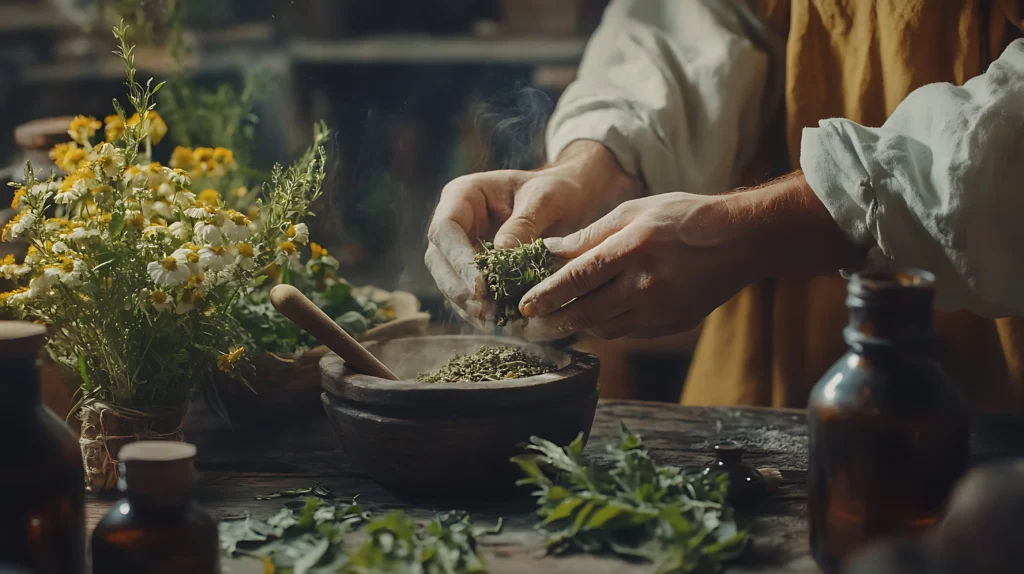
Today, herbal medicine is booming, with 75-80% of the world’s population making use of herbal plants in one way or another. Many allopathic medicines are also synthesised and extracted from herbal plants, the most popular example being aspirin from willow bark.
There is no doubt that herbal medicine significantly impacts health when used appropriately, and this impact is primarily due to the everyday herbalists who have historically advocated for their right to practise and heal with herbal remedies, rather than just a few influential scholars and physicians.
The access to learning about herbal medicine and becoming an herbal practitioner is so great. You can easily find a course to study online or locally at a school or apprentice with a mentor who has been practising for a large part of their life. The vast wealth of knowledge you can gain through all the books that have been published today is inspiring. The options to learn are endless, and it’s amazing how far we have come with herbal traditions.
Generation after generation has passed down herbal knowledge, which is the most ancient form of medicine. Having a bit of knowledge on how the tradition of herbal healing has flowed through time, evolved, and survived through the highs and lows of humanity shows how truly powerful these traditions remain.
Plants are incredibly fascinating and never cease to amaze what we can learn from them. So go out and learn about the healing plants that the earth has to offer. The herbs are calling to you!